Curb Charger: EVERCURB
Networked Power at the Edge of Sidewalks
A Modular System for Plug and Play Street Charging and Connectivity.
Evercurb Smart City Power and Data Distribution System
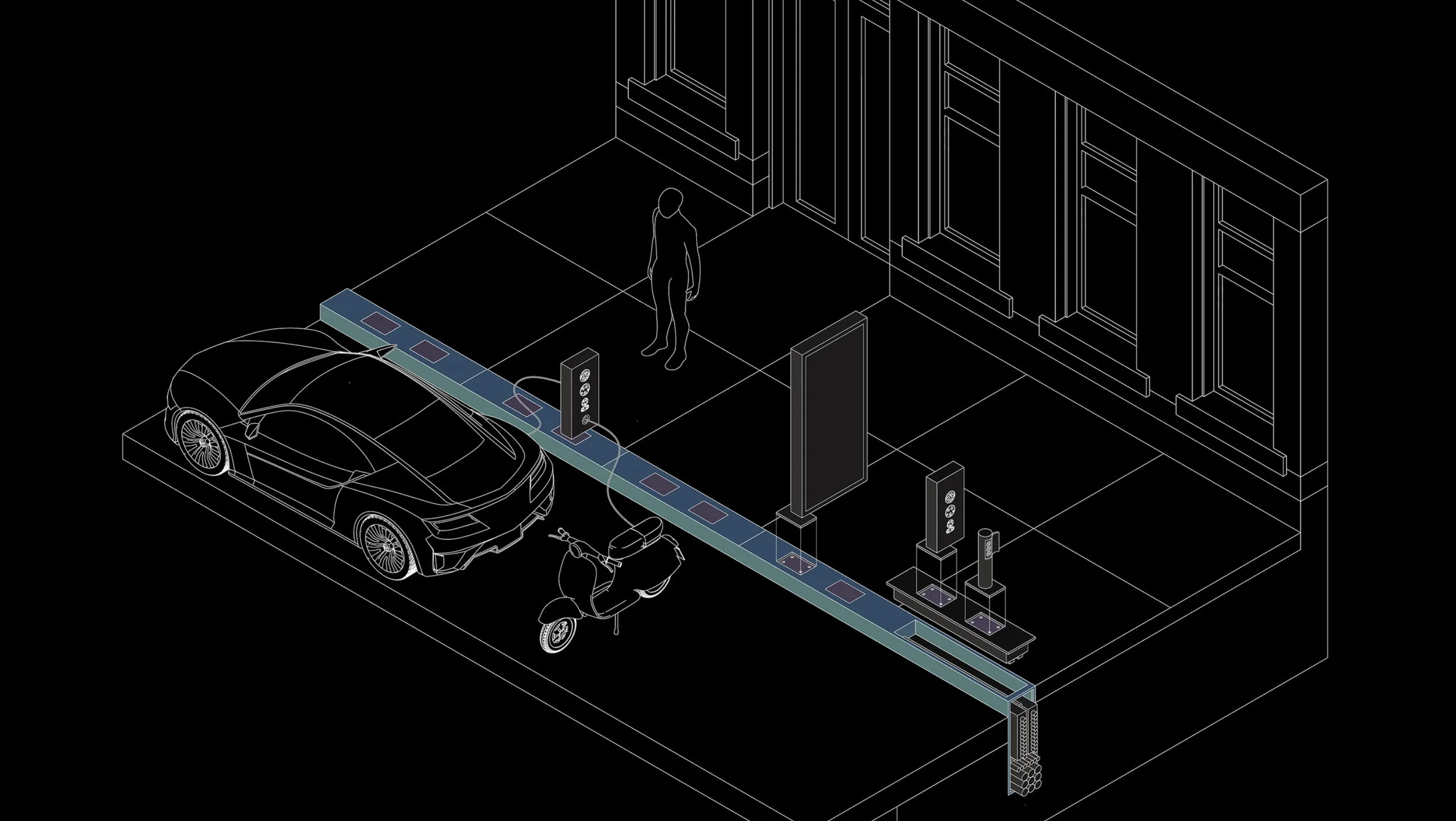
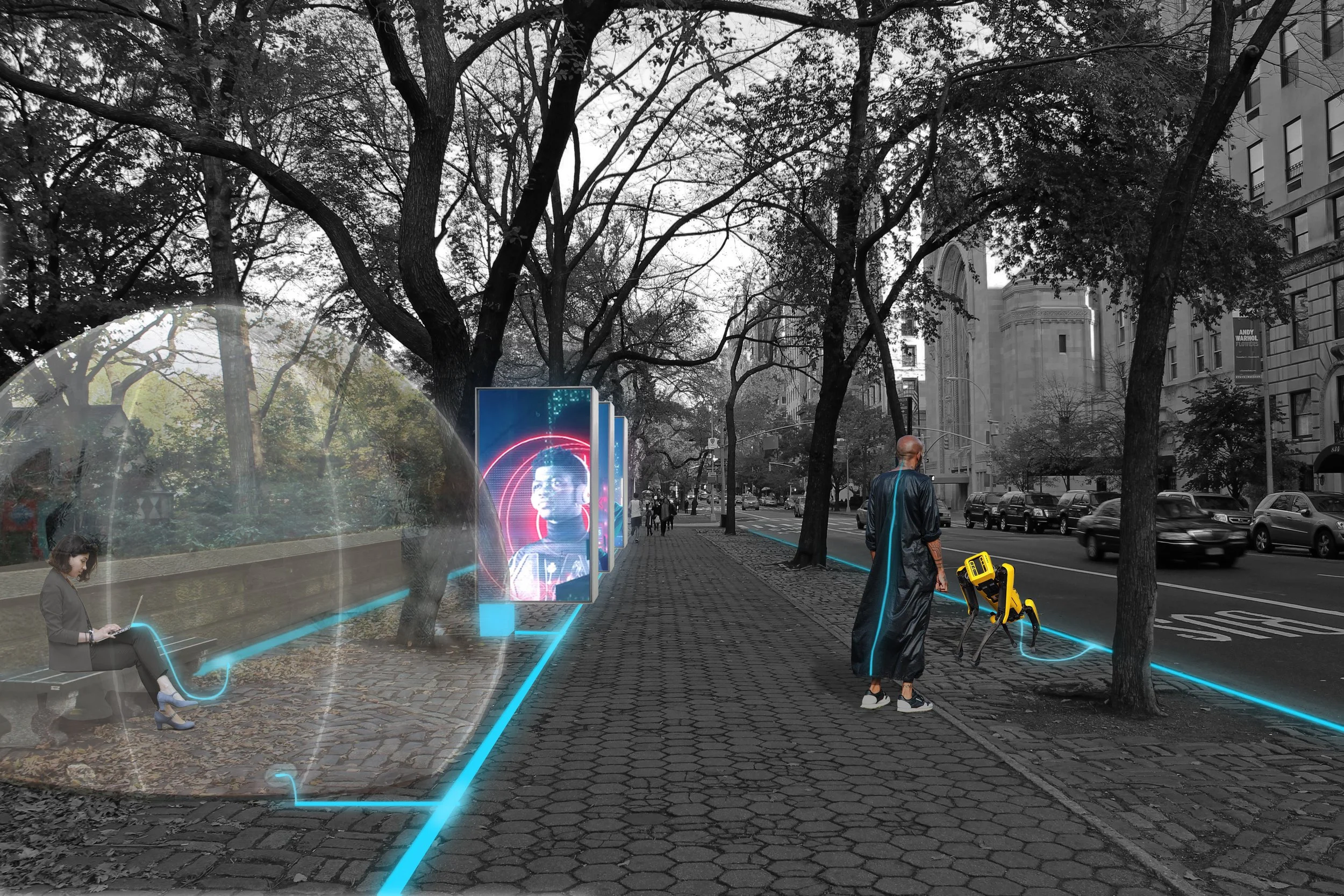
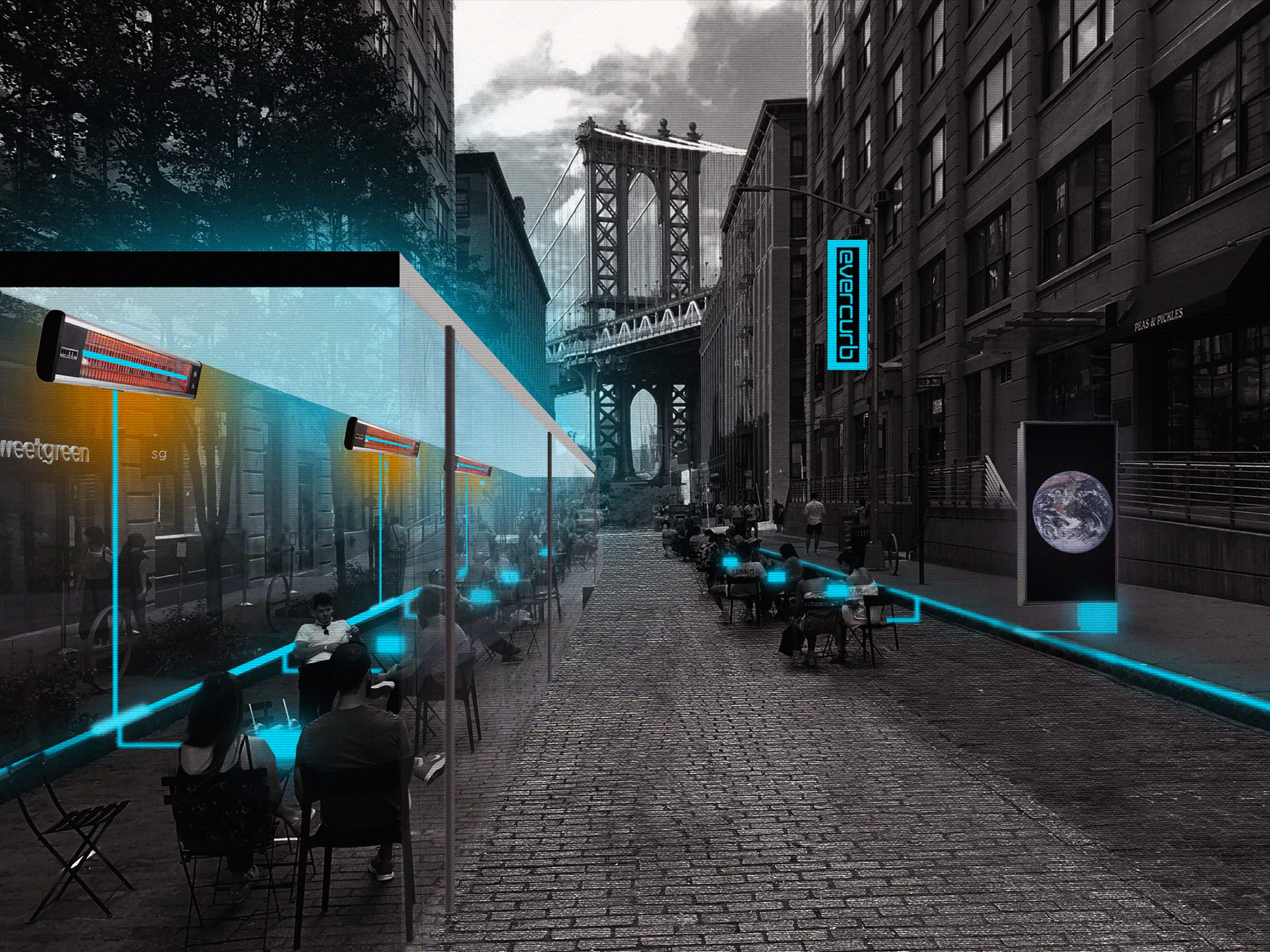
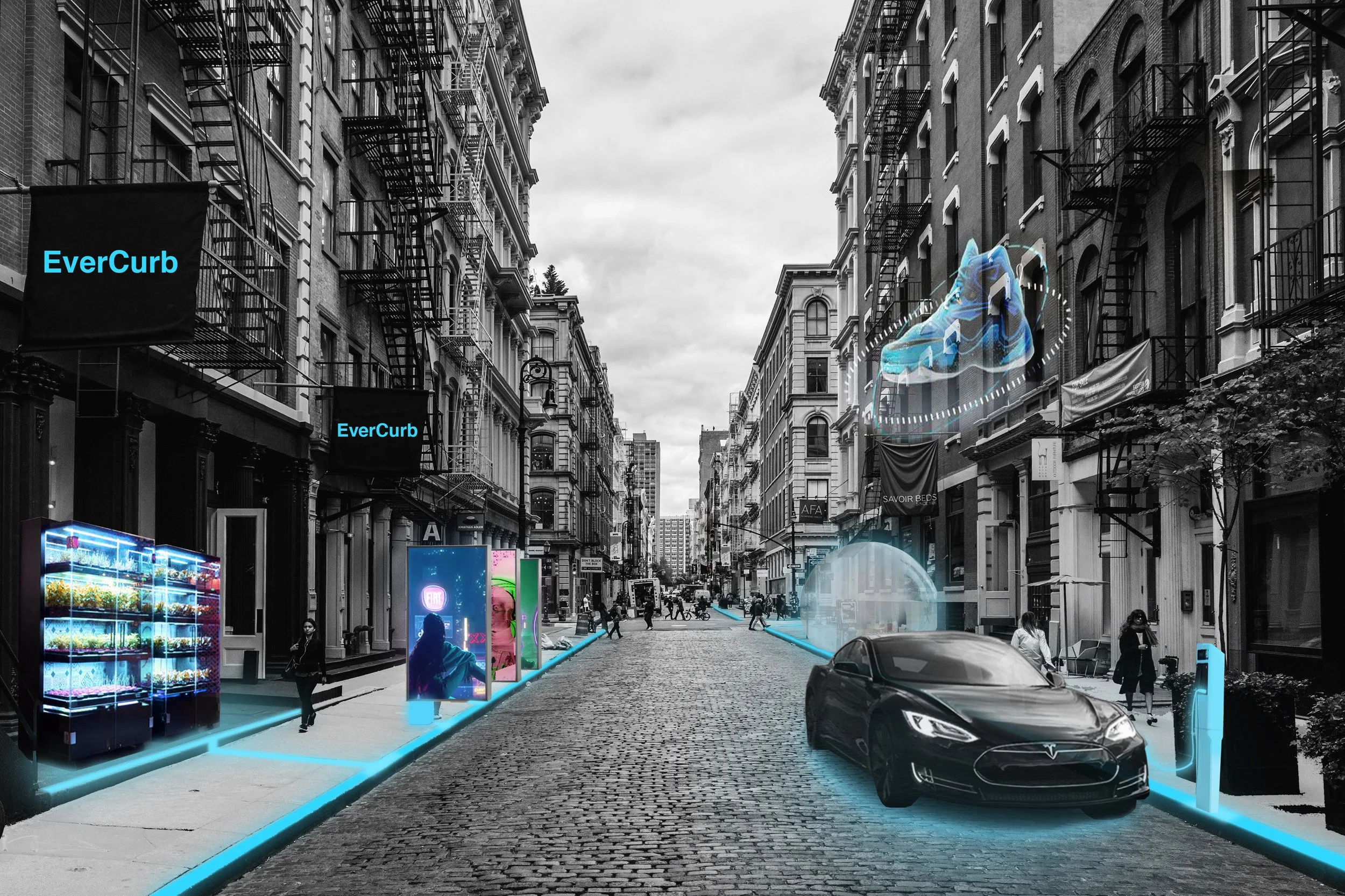
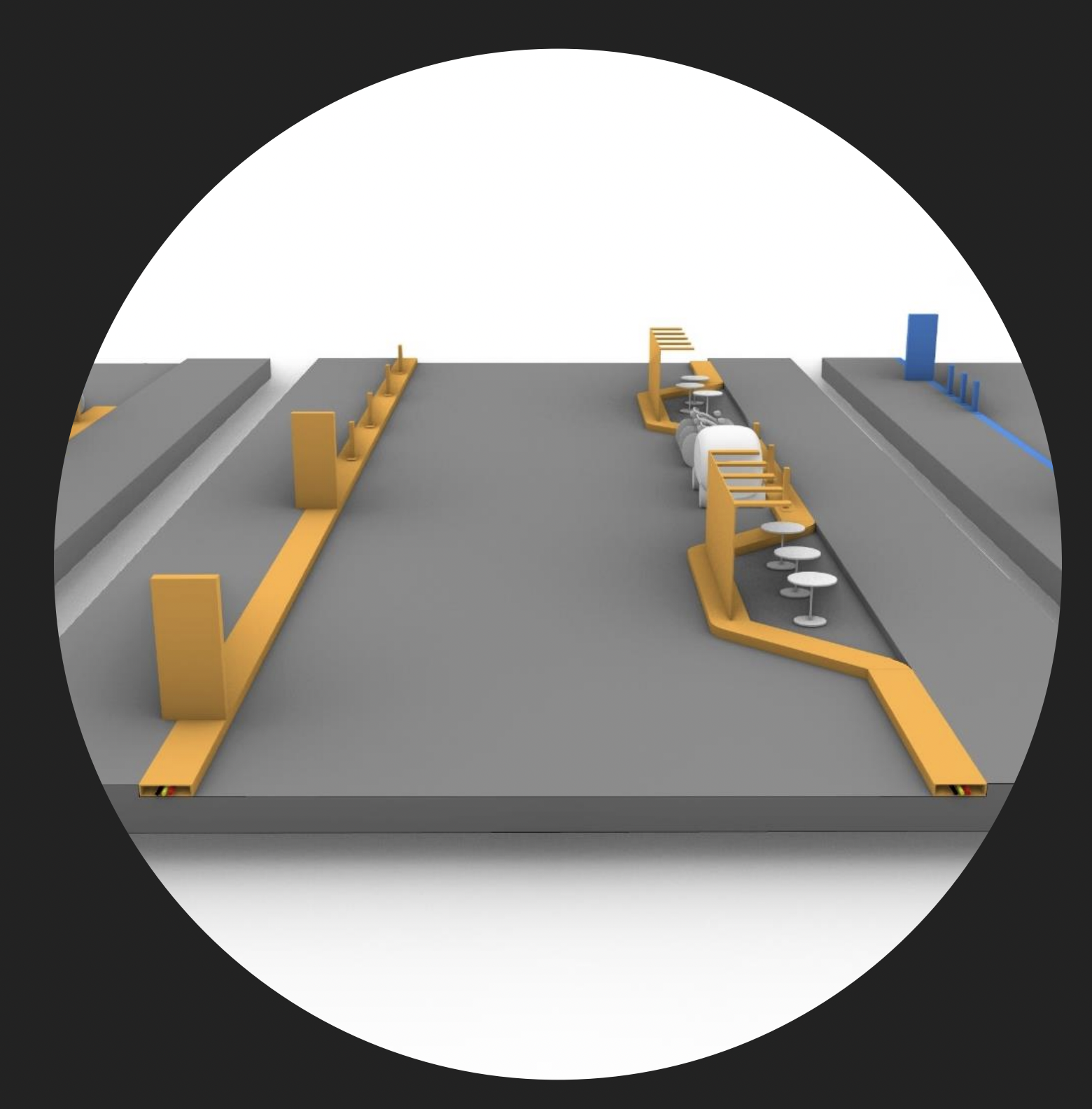
Our unique patented curb charger system reimagines the edge of the street as a continuous civic utility. Instead of a passive concrete boundary, the curb becomes an active linear infrastructure that distributes both electric power and digital connectivity. Its core value is universality. Any device that operates at street level vehicles, micro mobility, sensors, kiosks, robots, or public amenities can access energy and data from the same standardized edge condition. Power and information are treated as coupled systems, planned together rather than retrofitted separately.
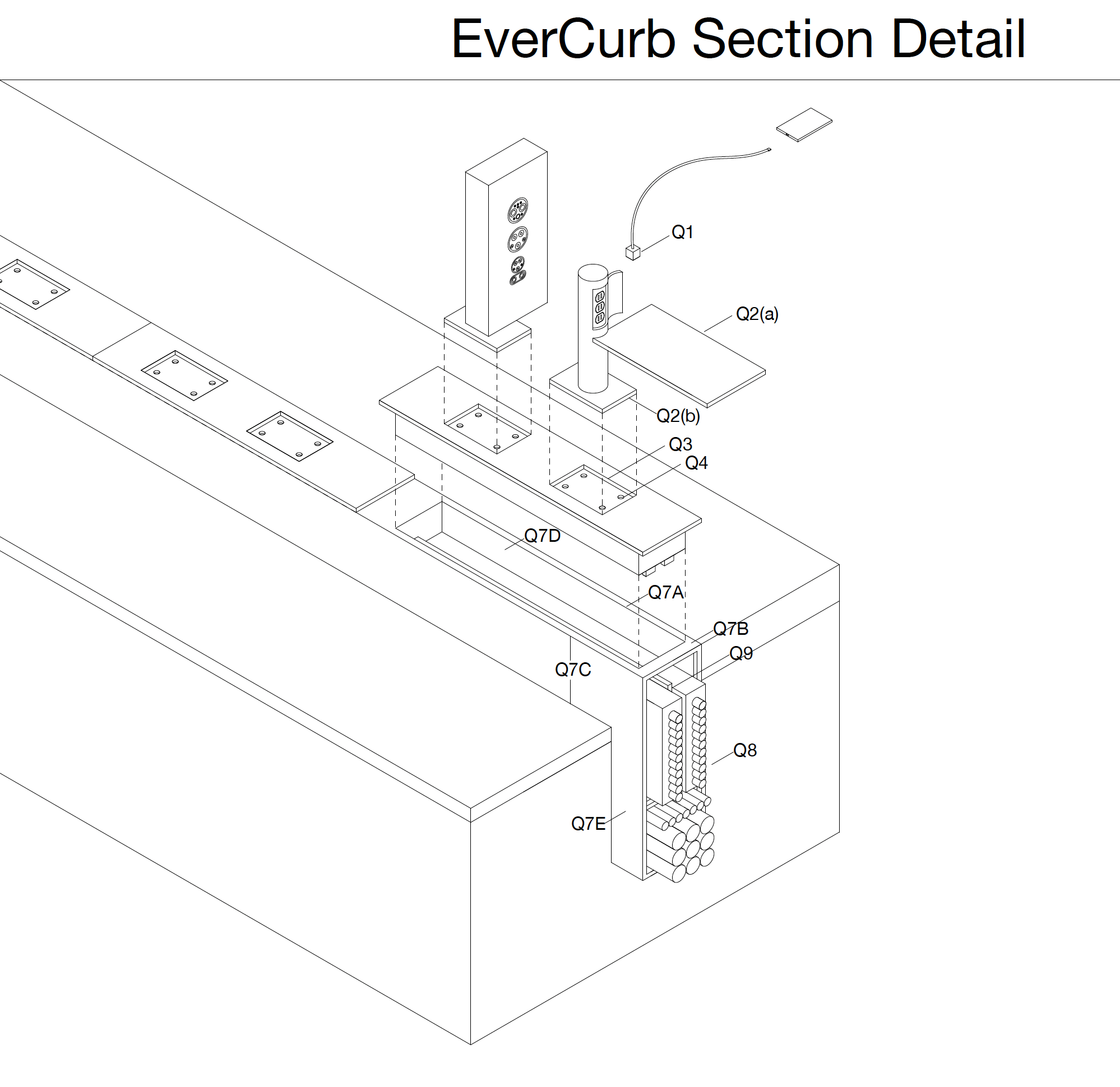
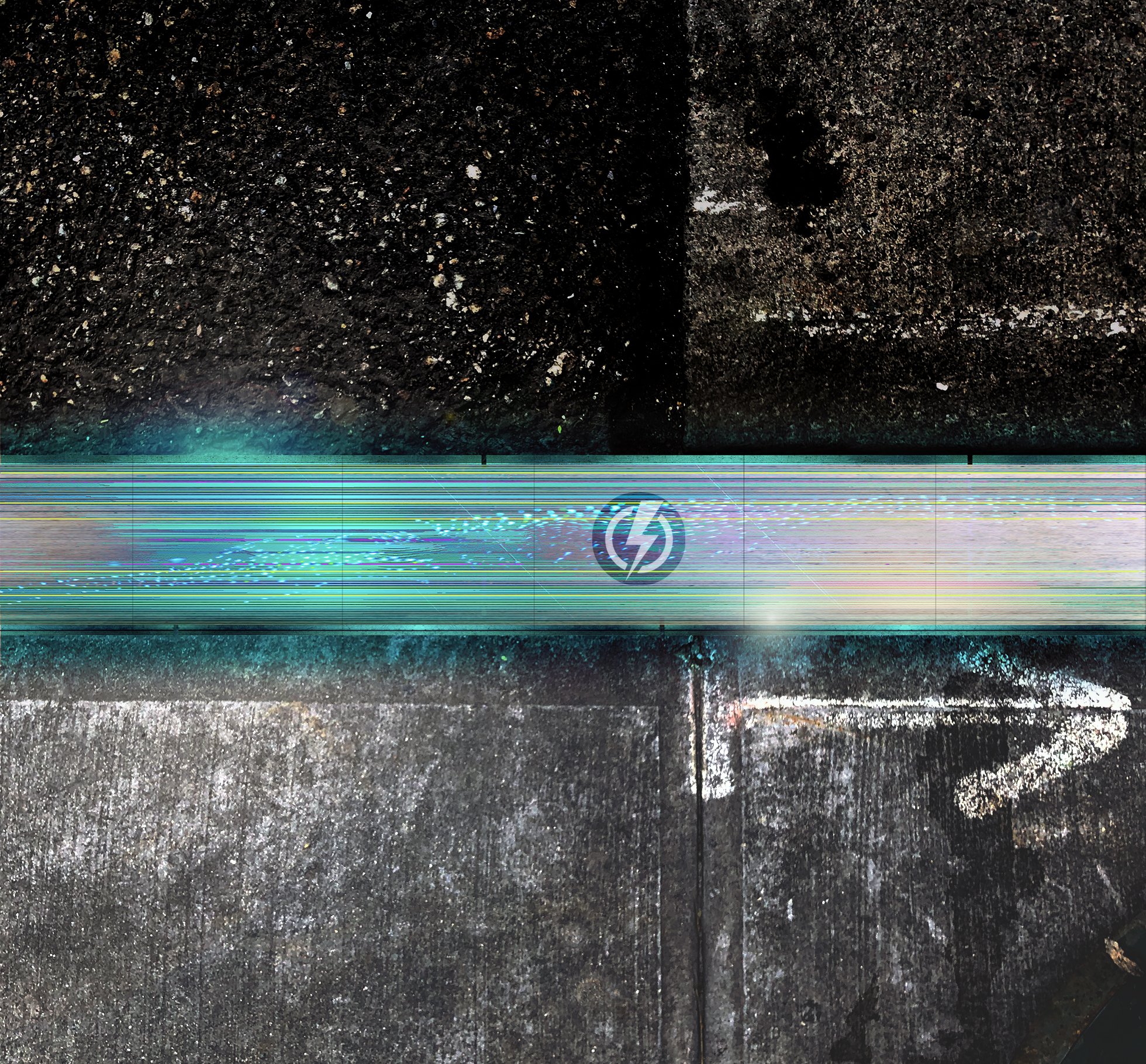
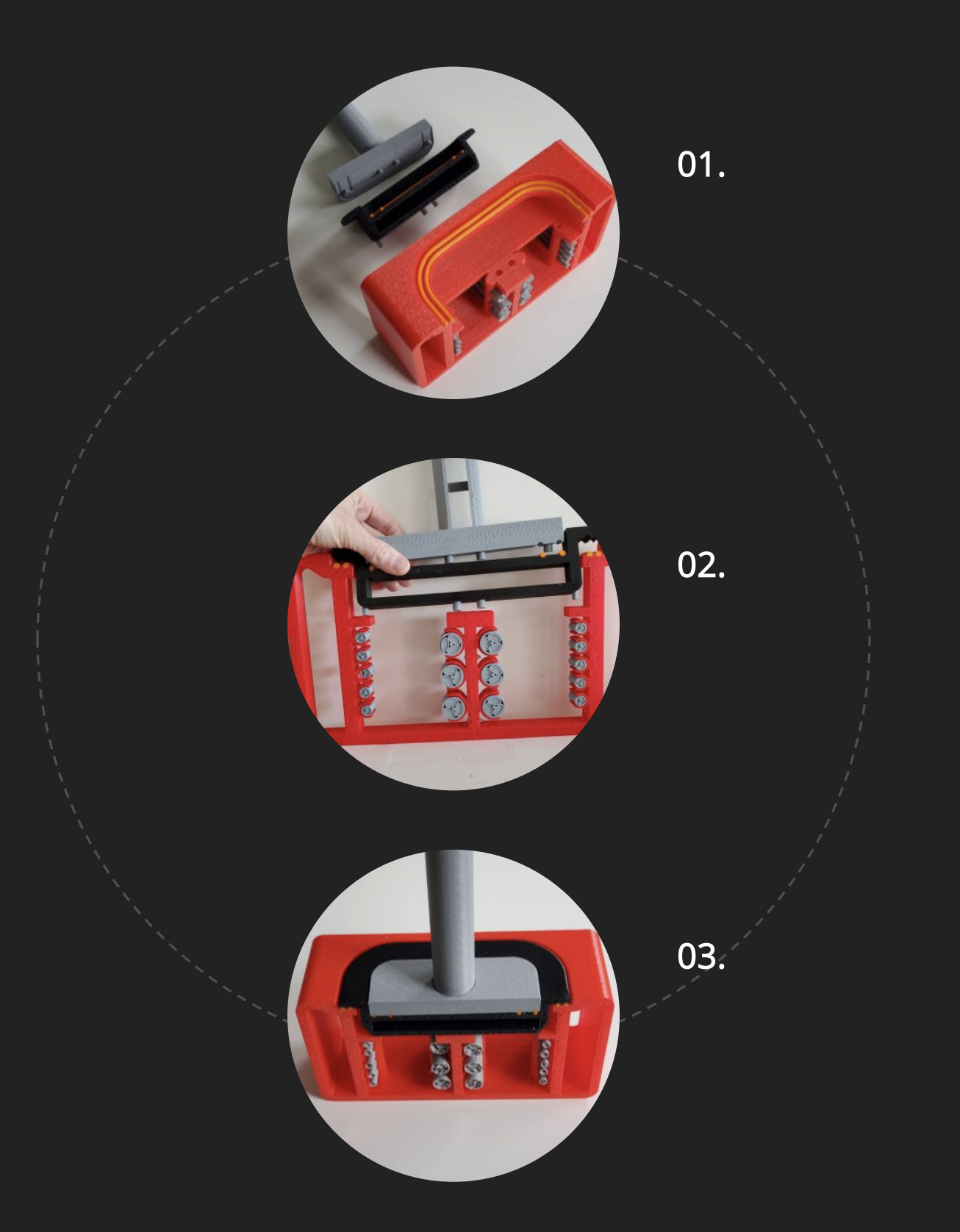
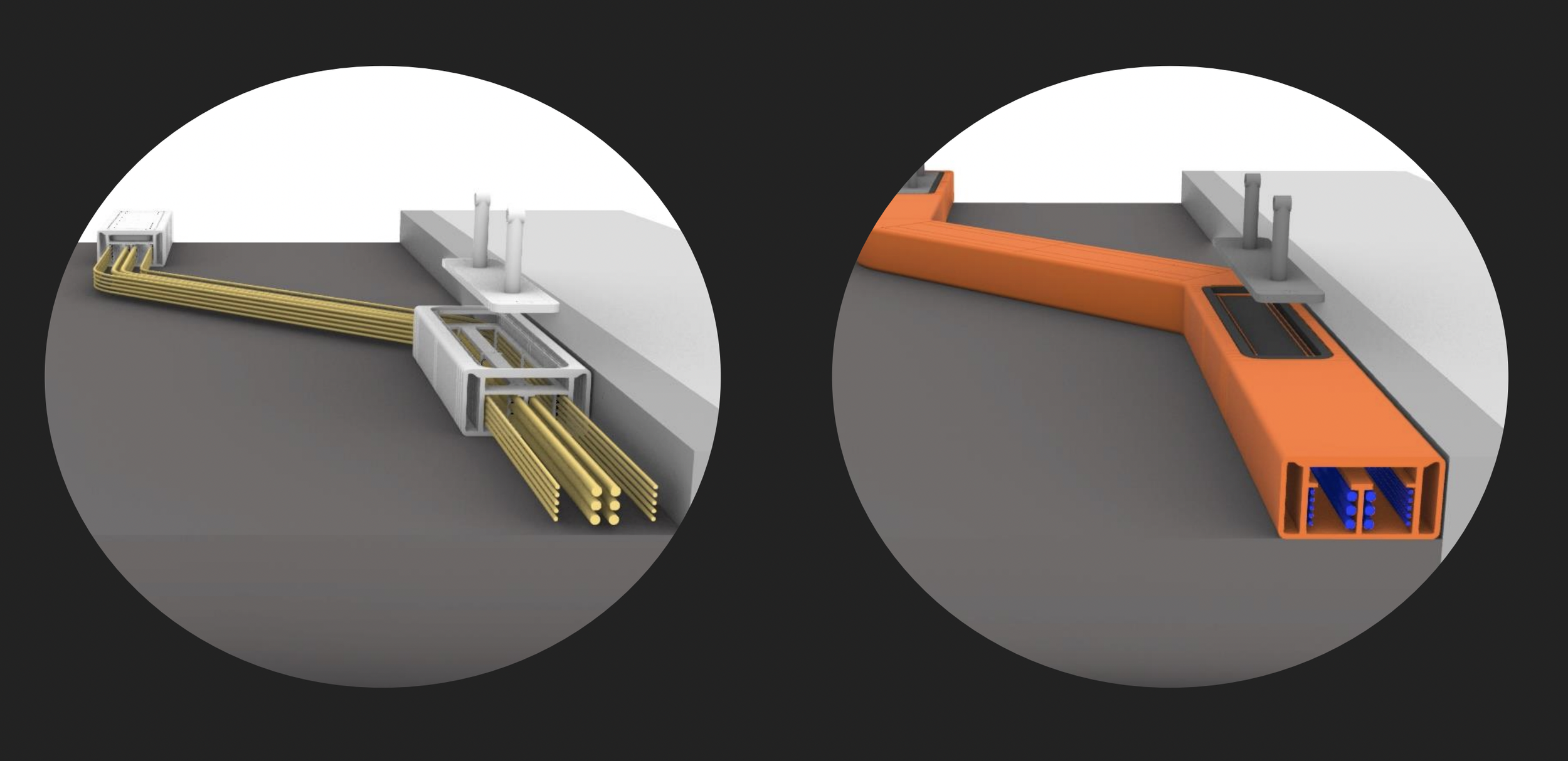
Physically, the system is organized as modular curb segments that can be deployed selectively or continuously along a block. Each segment contains an internal conduit spine that carries power conductors, data lines, and sensor wiring. The modules are designed for serviceability, allowing access for maintenance or upgrades without full curb replacement. Environmental durability is fundamental, including resistance to water, salt, freeze thaw cycles, vibration, and debris. The curb becomes long life urban hardware rather than disposable infrastructure.
The power layer is designed as a flexible distribution network rather than a single charging solution. Power can be delivered as alternating current for conventional loads or as direct current for higher efficiency and easier integration with batteries, lighting, sensors, and electric vehicles. A hybrid approach allows trunk distribution with localized conversion at curb segments or cluster nodes. This enables the system to adapt over time as charging standards and energy demands evolve.
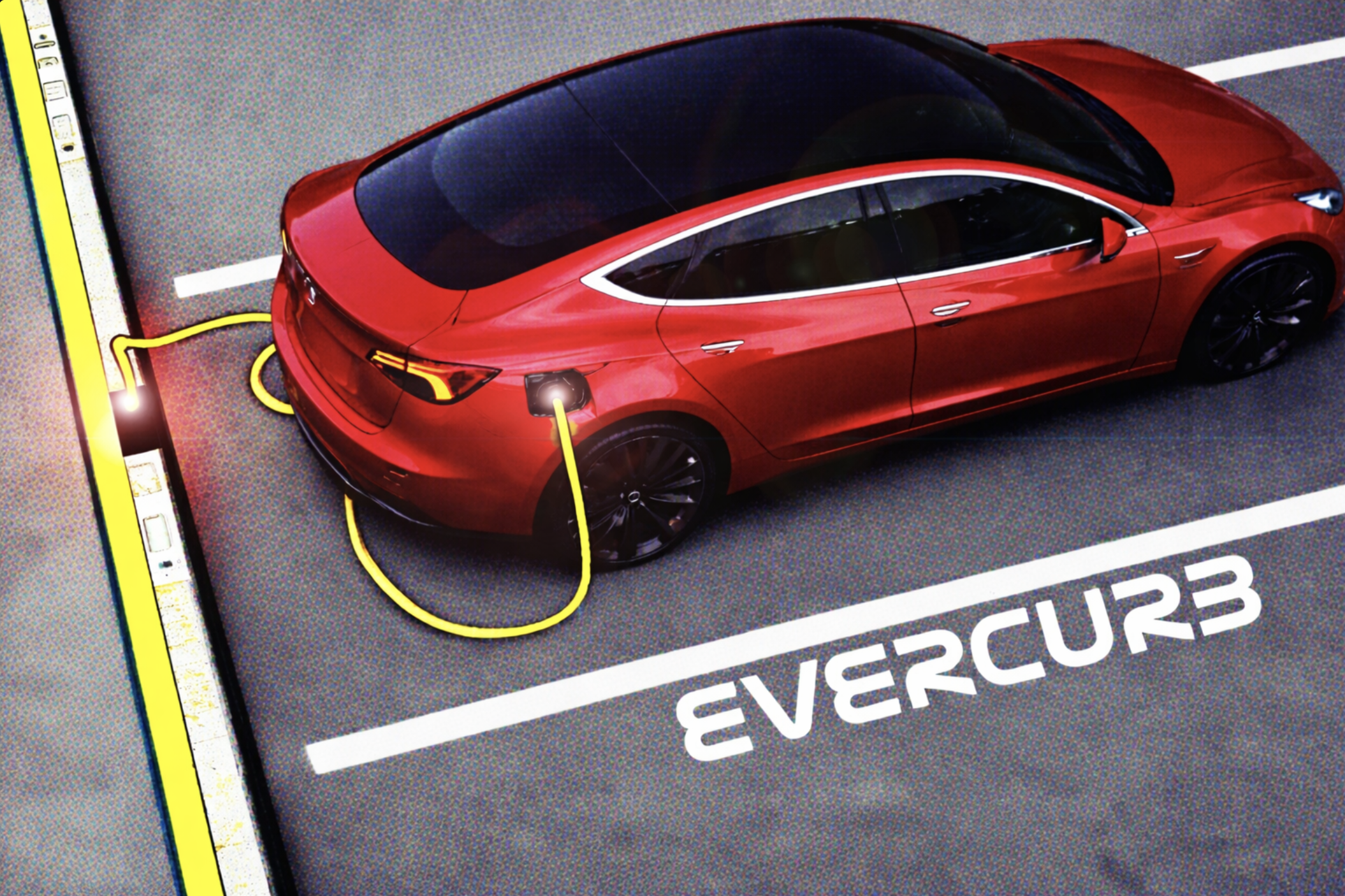
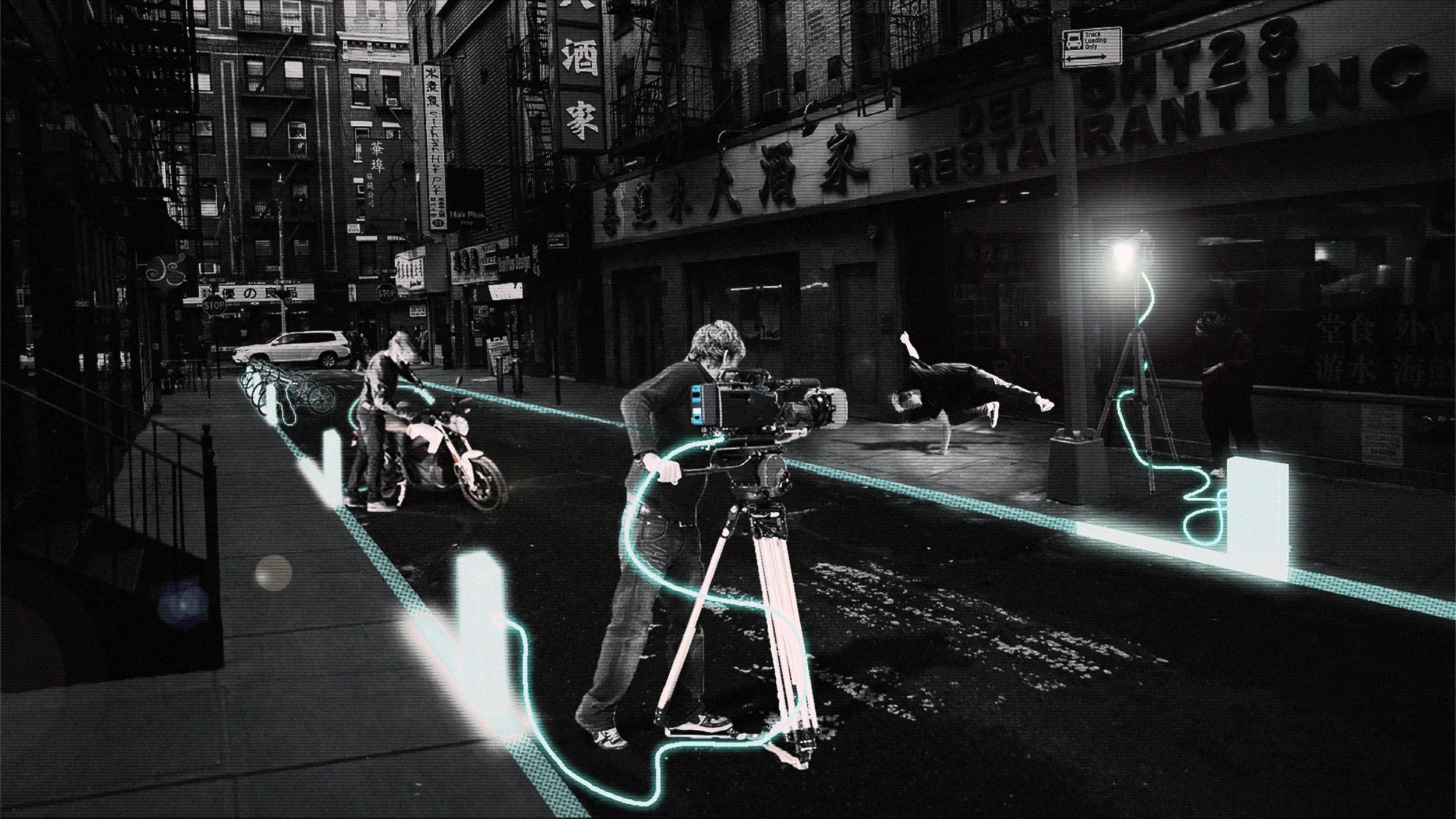
Charging interfaces are intentionally diverse. For electric vehicles, the curb supports short reach charging connections that minimize sidewalk clutter and reduce trip hazards. For micro mobility, the curb acts as a charging rail and docking edge that encourages orderly parking and charging compliance. Municipal devices such as delivery robots, street cleaning equipment, kiosks, and temporary installations can draw power directly from the curb without generators or ad hoc wiring.
Energy storage is distributed rather than centralized. Small scale batteries embedded at intervals along the curb provide buffering, peak shaving, and voltage stabilization. These storage elements can support limited islanding during outages for critical city functions. Second life batteries may be used where safety and certification allow, reducing costs and extending material lifespans. Supercapacitors can be incorporated for rapid charge and discharge cycles associated with communications bursts or sensor networks.
At the grid level, curb segments are grouped into managed clusters. Each cluster monitors load, availability, and priority rules in real time. Demand response strategies allow charging rates to adjust dynamically during peak conditions. Priority access can be assigned to emergency vehicles, municipal services, transit operations, or freight delivery windows. This transforms curb charging from a passive amenity into an actively managed energy system.
Renewable energy integration is treated as a logical extension rather than a dependency. The curb can receive power from nearby solar canopies, adjacent buildings through partnership agreements, or local microgrids. Streetlight infrastructure can serve as interim access points where codes permit, with a long term transition toward higher capacity dedicated feeds. The curb thus becomes an energy receiver and distributor rather than a single point load.
The data distribution layer runs in parallel with the power system. Fiber optic lines within the curb spine provide high bandwidth backhaul for devices, sensors, and city networks. Short range copper or Ethernet connections serve local devices that do not require fiber termination. Wireless mesh nodes mounted on poles or street furniture connect to the curb backbone, supporting Wi Fi, private LTE, or future communication standards. The curb functions as a digital nervous system at street level.
Data generated by the curb system includes energy use, device identity, charging sessions, occupancy, environmental sensing, and maintenance status. This information feeds into city dashboards, utility systems, and planning tools. The data layer supports real time billing, authentication, and access control while also enabling long term urban analytics such as curb utilization, mobility patterns, and infrastructure stress.
Governance and interoperability are core design principles. The curb charger system is conceived as an open platform with standardized interfaces, allowing multiple vendors and applications to coexist. Utilities, municipalities, and private operators can share infrastructure without duplicating physical systems. Policy rules around pricing, access, privacy, and equity are embedded at the software level rather than enforced through physical barriers.
Ultimately, the curb charger system reframes streets as active civic infrastructure. Power distribution, data connectivity, mobility, and public space management converge into a single spatial element that already exists everywhere. The curb becomes a platform for future urban services rather than a constraint, enabling cities to adapt incrementally while building toward resilient, electrified, and connected streets.
_______________________________________
Credits: Terreform ONE | Evercurb LLC
Mitchell Joachim, Vivian Kuan, Axel Kilian